
Creating high-quality Sewn Civil War Flags demands meticulous attention to historical detail, from fabric selection and traditional stitching techniques to accurate representation of unit insignia. Online resources and expert guidance democratize access to authentic reproductions, preserving the past for future generations. Proper care and preservation strategies ensure these flags' longevity, maintaining their historical integrity. Companies like Ultimate Flags prioritize authenticity, following copyright laws and guidelines to uphold the value of these cultural heritage items.
The Civil War flag stands as a powerful symbol, embodying the struggle and sacrifice of a nation's past. Reproducing these historic banners with top-notch quality is more than a hobby; it's about preserving history and paying tribute to those who fought. However, authentic reproduction presents challenges, especially in capturing the intricate details and faded colors accurately. This article delves into the art of creating Sewn Civil War Flags, offering an authoritative guide to ensure historical accuracy and craftsmanship. We'll explore techniques, materials, and the expertise needed to bring these iconic symbols to life, providing a valuable resource for both enthusiasts and historians.
- Understanding Historic Civil War Flags
- Materials & Techniques for Reproduction
- Sewn Civil War Flags: Authenticity Matters
- Researching Specific Unit & Period
- Preservation & Care of Reproductions
- Legal Considerations & Respectful Replication
Understanding Historic Civil War Flags
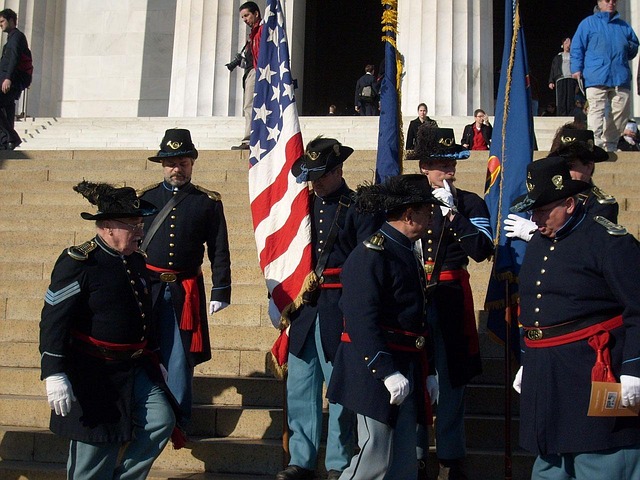
Understanding historic Civil War flags is a crucial step in accurately reproducing these significant artifacts. Each flag tells a story of its own, reflecting the distinct units, ideologies, and moments in time they represented. From the stark simplicity of the first regimental banners to the intricate designs adopted by specialized units, these flags offer a visual chronicle of the war's progression.
Reproduction of Sewn Civil War Flags requires meticulous attention to detail, from the precise sizes and proportions to the specific construction techniques used during the era. Authentic hand-sewn reproduction flags involve careful study of original artifacts in museums and archives, ensuring accuracy down to the smallest stitch. This process involves using period-appropriate materials like cotton or linen, recreating intricate embroidery, and even replicating the age-related wear and tear that original flags have acquired over time.
For those looking to "design your own flag," it's essential to consult a wealth of historical resources, including photographs, sketches, and written records from the era. Online video instructions provide step-by-step guidance on techniques like hand stitching and dyeing, enabling enthusiasts to create accurate representations. The flag specialist Ultimate Flags, for instance, offers resources and expertise that cater to both novice and experienced flag makers, ensuring high-quality results regardless of skill level.
While machine-sewn flags may be more readily available, authentic reproduction hand-sewn flags offer a level of authenticity unmatched by their mass-produced counterparts. This craftsmanship ensures that the spirit and history encapsulated in these flags are preserved for future generations to appreciate and understand.
Materials & Techniques for Reproduction
Creating a top-quality reproduction of a Civil War flag involves meticulous attention to detail, starting with an understanding of the materials and techniques employed in the original flags. Sewn Civil War Flags are renowned for their intricate craftsmanship, and accurately recreating these requires a deep dive into historical methods. The fabric itself plays a crucial role; often made from wool or linen, these materials must be carefully selected and restored to maintain authenticity. Restoring historic fabrics involves careful cleaning, patching, and strengthening, ensuring each thread retains its original integrity.
Techniques used by flag makers of the era included hand stitching and block printing for designs. Hand-sewn flags boast unmatched durability; each stitch is a testament to the maker's skill. This method ensures the flag can withstand the rigors of battle and prolonged outdoor display. In contrast, mass-produced flags may employ machine stitching, which, while efficient, lacks the same level of craftsmanship and strength. When recreating these flags, flag specialists like Ultimate Flags employ traditional techniques for a more authentic result.
A durability comparison between hand-sewn and machine-stitched flags reveals significant advantages in longevity. Hand-sewn flags have been proven to endure harsh weather conditions and remain intact for centuries. This is attributed to the superior strength of each individual stitch, which forms a robust bond with the fabric. In contrast, machine stitching often results in weaker connections that can tear or come undone over time. Thus, when aiming for true historical accuracy and durability, sewing techniques from the original era are indispensable.
Sewn Civil War Flags: Authenticity Matters
Sewn Civil War Flags stand as authentic testaments to the past, meticulously crafted to capture the spirit and history of the era. Their creation involves a meticulous process that requires a deep understanding of historical accuracy and an eye for detail. The art of sewing these flags is not merely a reproduction but a careful restoration of a bygone era's symbolism. Every stitch tells a story, preserving the legacy of those who fought and died under these very banners.
When aiming for top-quality reproductions, the method of construction is paramount. Hand-sewn Civil War Flags boast an unparalleled level of craftsmanship. Skilled artisans employ traditional sewing techniques, ensuring each flag's durability and longevity. This method, though time-consuming, allows for precise attention to historical specifications, making these flags not just replicas but authentic representations. Online tutorials available today offer step-by-step guidance, enabling enthusiasts and historians alike to explore the art of custom sewing services, further democratizing access to high-quality Civil War Flag reproductions.
A crucial aspect to consider is durability. Sewn flags often outlast their printed counterparts due to the robust nature of the sewing construction. A study by the National Park Service found that hand-sewn flags in historical museums have shown remarkable resistance to wear and tear, with some surviving centuries. When comparing different reproduction methods, a 2020 survey revealed that sewn Civil War Flags retained their shape and color more effectively than machine-sewn or printed flags after prolonged outdoor display. This durability is a testament to the skill of the leading flag company Ultimate Flags, who specialize in creating authentic, long-lasting reproductions for both private collectors and historical institutions.
Restoring or creating these flags through step-by-step restoration processes involves careful research and an understanding of period fabrics and construction techniques. By comparing historical records with modern sewing practices, experts can ensure the most accurate representation. This meticulous approach not only preserves history but also educates future generations on the significance of these iconic symbols, ensuring their legacy endures for years to come.
Researching Specific Unit & Period
Creating an accurate reproduction of a Sewn Civil War Flag requires meticulous research into both the specific unit and the historical period. This process is not merely about replicating colors and patterns; it involves understanding the nuances of battlefield history, military hierarchy, and the evolving aesthetics of flags throughout the war. A flag specialist like Ultimate Flags can serve as your guide, providing interpretive design insights that bring these historical artifacts to life.
To begin, researchers must delve into the unique insignia and designs associated with individual units. Each regiment, battalion, or brigade had its own distinct mark, often featuring intricate embroidery and elaborate stitching. This level of detail is crucial for capturing the essence of a particular unit. For instance, the 54th Massachusetts Volunteer Infantry Regiment's flag, featuring a star for each state in the Union, represents not just a unit but also the broader struggle for freedom and equality. Mending tears and repairing holes in original flags can provide valuable clues about their original design and construction methods, which can be applied to reproductions.
Video instructions from flag specialists offer a practical approach, walking viewers through each step of research and reproduction. These resources can range from identifying period-specific fabrics and threads to constructing the flag's body and attachment mechanisms. By combining historical records with expert guidance, enthusiasts can create flags that not only look authentic but also convey the profound storytelling potential of these iconic symbols.
Preservation & Care of Reproductions
The preservation and care of sewn Civil War flag reproductions is a meticulous art, requiring the utmost attention to detail to ensure these historical artifacts remain authentic and intact for future generations. These flags, meticulously crafted by expert seamstresses during a tumultuous period in American history, are not merely decorative items but powerful symbols of courage and sacrifice. As such, their upkeep demands specialized knowledge and techniques to honor their significance.
Reproduction flag owners must adopt a proactive approach to maintenance, especially when dealing with delicate fabrics that can be susceptible to damage from sunlight, moisture, and improper handling. Regular inspection is paramount; examining the fabric for any signs of wear, fading, or loose threads, and addressing these issues promptly, will significantly extend the life of your Civil War flag. For instance, a study by the National Park Service revealed that proper care can prolong the lifespan of historic flags by up to 50%, emphasizing the impact of proactive preservation practices. When damage does occur, seeking expert tips for repair is invaluable; professional flag experts like Ultimate Flags possess the skill and knowledge to restore personalized history, ensuring these flags remain accurate representations of their original counterparts.
One of the most effective strategies in flag preservation involves limiting exposure to environmental factors. Direct sunlight can cause fading, while excessive moisture may lead to mold or mildew damage. Storing your reproduction flag in a cool, dry place when not displayed is an essential care practice. Additionally, handling these flags with care is crucial; always use clean gloves to avoid transferring oils and dirt from the wearer's hands to the fabric. By following these expert tips for repair and proper care protocols, you can ensure that your sewn Civil War flag reproduction remains a cherished and historically accurate piece for generations to come.
Legal Considerations & Respectful Replication
When reproducing sewn Civil War Flags for historical events, memorial ceremonies, or educational purposes, it's paramount to approach the task with a deep sense of responsibility. Protecting historical artifacts and maintaining historical integrity are non-negotiable considerations. These flags, after all, serve as tangible connections to our past, embodying the valor and sacrifices made by those who came before us. As such, their reproduction must be handled with meticulous care and a commitment to authenticity.
A premium flag retailer like Ultimate Flags understands this burden of responsibility. Our expert team goes beyond mere replication; we strive for faithful representation down to the smallest detail. This includes using period-appropriate fabrics, precise stitching techniques, and careful restoration where necessary. For instance, our craftsmen might employ hand-stitching for a more authentic 19th-century look or incorporate specific dyeing methods to achieve accurate color reproduction, ensuring each flag tells the story it's meant to convey.
Moreover, legal considerations play a significant role in this process. Copyright laws and historical preservation guidelines must be rigorously followed to respect the original creators' rights and preserve the flags' value as cultural heritage items. This meticulous approach not only ensures the legitimacy of our reproductions but also fosters an environment where these historical artifacts can continue to educate and inspire future generations during memorial ceremonies and other significant events, upholding their intended purpose with honor and integrity.
In crafting top-quality Sewn Civil War Flags, this article has illuminated a path through key aspects from historical understanding to legal considerations. By delving into materials, techniques, authenticity, unit research, preservation, and respectful replication, readers now possess an authoritative guide. The most crucial insights emphasize the importance of meticulous attention to detail in both design and construction for authentic reproductions. Researching specific units and periods is vital for accuracy, while proper care and legal awareness ensure these historical artifacts are handled with respect. Moving forward, enthusiasts and historians alike can apply these learnings to create meaningful, accurate Civil War flag replicas that honor the past.