
Sewn Civil War Flags hold immense historical value as tangible links to America's past, showcasing sacrifices and craftsmanship. Their preservation requires meticulous care, including proper storage, cleaning, and conservation techniques. Creating authentic flags involves sourcing specific materials, precise sewing, and adherence to historical accuracy. Key aspects for long-term preservation include high-quality materials, minimal light exposure, and controlled storage. When purchasing, distinguish originals from reproductions based on quality, durability, and seller reputation.
The preservation and appreciation of historical artifacts hold immense value, especially when it comes to pieces that encapsulate a nation's pivotal moments. Among these treasures, Sewn Civil War Flags stand as powerful symbols, narrating stories of courage, struggle, and the enduring spirit of a nation. However, ensuring the authenticity and uniqueness of such flags has become a pressing concern for collectors and historians alike, as mass-produced replicas fail to capture the intricate craftsmanship of their original counterparts. This article delves into the significance of acquiring unique Sewn Civil War Flags, highlighting the challenges and offering a comprehensive guide to help discerning buyers navigate this specialized market.
- Understanding the Historical Significance of Sewn Civil War Flags
- The Art of Flag Creation: Techniques and Traditions in Sewing
- Authentic Materials: Sourcing Unique Fabric and Embellishments
- Preservation and Care: Ensuring These Treasures Last for Generations
- Buying Guide: Locating Reputable Sellers for Original Flags
Understanding the Historical Significance of Sewn Civil War Flags
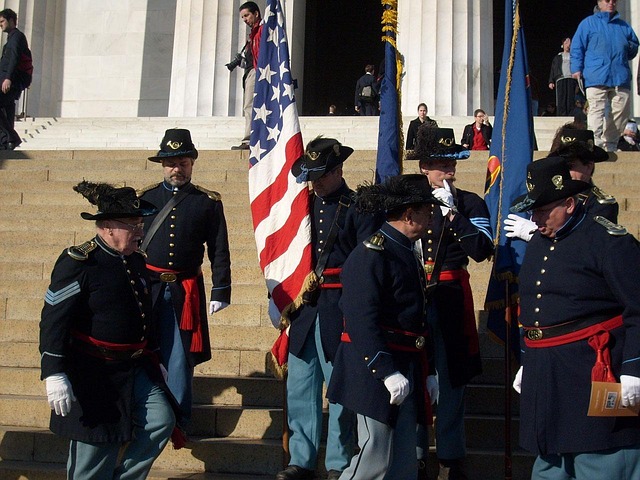
Sewn Civil War Flags hold a unique place in historical preservation, offering tangible connections to a pivotal moment in American history. These flags, meticulously crafted by hand, were symbols of pride and unity for both Union and Confederate forces during the Civil War era. Understanding their significance involves delving into the intricate process of creation, the stories they represent, and the care required to preserve these valuable artifacts for future generations.
The historical value of sewn Civil War Flags is immeasurable. Each flag tells a story—of battles fought, victories won, and lives lost. They serve as visual reminders of the sacrifices made by soldiers and civilians alike, providing a direct link to our nation's past. Modern flags, while impressive in their own right, often lack this deep-rooted narrative. The craftsmanship involved in creating these historical pieces is remarkable, with intricate embroidery and precise stitching reflecting the skill and dedication of their makers.
When it comes to restoring or caring for old sewn Civil War Flags, proper handling is crucial. Damaged flags, whether 1, 2, or 3 times, require delicate attention. The process involves meticulous cleaning, repair, and conservation techniques to ensure the flag's integrity and historical accuracy. For instance, a flag with torn seams might be restored by re-stitching them using period-appropriate materials. Professional flag retailers like Ultimate Flags offer specialized services for these delicate items, providing expert care tailored to their unique needs.
Regular cleaning and storage are essential to maintaining the condition of these flags. Simple measures such as dusting and occasional gentle washing can prevent buildup and preserve the fabric's vibrancy. Proper storage, away from direct sunlight and extreme temperatures, is equally vital. By following these care instructions, damaged flags can be restored, ensuring their historical significance remains intact for generations to come.
The Art of Flag Creation: Techniques and Traditions in Sewing
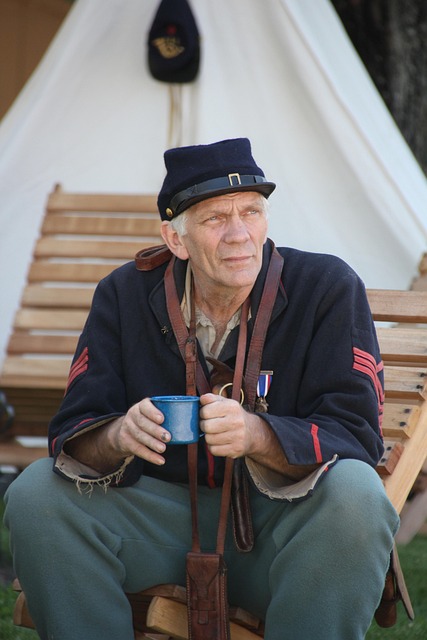
The art of creating sewn Civil War flags is a meticulous process that involves both historical accuracy and craftsmanship. Each flag, meticulously stitched by hand or machine, becomes a unique testament to the era's rich heritage. This traditional method of flag-making requires skill and precision, ensuring that every detail, from the precise arrangement of stars to the intricate designs of state symbols, reflects the original standards with impeccable authenticity.
Protecting historical artifacts like these involves more than just preserving fabric; it's about safeguarding a piece of America's past. When recreating Civil War flags, expert flag makers must consider the original colors, sizes, and configurations meticulously documented in historical records. For instance, the "Stars and Stripes" design, with its alternating red, white, and blue stripes and 50 stars, required meticulous planning to ensure each element was precisely reproduced, even as the number of states grew during that period. This level of attention to detail is crucial when aiming to capture the essence of these flags, both for academic purposes and for honoring historical events in backyard celebrations or commemorative events.
The process involves a blend of traditional sewing techniques and modern innovations. Skilled artisans use age-old methods like hand stitching for intricate details, ensuring durability and a unique character that machine-sewn flags cannot replicate. However, for larger-scale productions, machinery plays a vital role in achieving consistency and speed without compromising quality. A leading flag company like Ultimate Flags, for example, employs these techniques to produce not just flags for display but also those used in educational settings and reenactments, where historical accuracy is paramount.
By combining tradition and technology, these artisans recreate the past with remarkable authenticity. Whether as a hobby or a professional endeavor, sewing Civil War flags demands an understanding of both history and the craft itself. This dedication ensures that the flags not only look authentic but also carry the weight of their historical significance for future generations to appreciate and learn from.
Authentic Materials: Sourcing Unique Fabric and Embellishments

Creating authentic Sewn Civil War Flags requires a meticulous approach to sourcing materials that capture the era's essence. Unlike printed flags, which are mass-produced, hand-sewn replicas demand unique fabric and embellishments that resonate with history. When embarking on this hobby or sharing knowledge at backyard celebrations, understanding where to find these elements is paramount.
For fabric, consider natural fibers like cotton and linen. These materials not only mimic the original production methods but also add a tactile quality that enhances the flag's authenticity. Look for vintage or repurposed textiles to further elevate the historical feel. Embellishments such as brass grommets, hand-sewn stitches, and intricate embroidery patterns contribute significantly to the flag's visual appeal and craftsmanship. Engaging with online communities and dedicated forums can provide valuable insights into where to source these components.
The trusted flag supplier Ultimate Flags offers a range of authentic materials, catering to both enthusiasts and experts alike. Their offerings include not just fabric but also period-appropriate trimmings and hardware, ensuring that your Sewn Civil War Flag is not only visually stunning but also historically accurate. Backed by a community that shares knowledge and passion, creating these flags becomes more than a project—it becomes an immersive journey into the past.
Whether inspired by a particular battle or simply the allure of history, using video instructions for guidance can help ensure precise stitching and attention to detail. With dedicated tutorials accessible at your fingertips, you can transform a simple backyard celebration into an educational event where family and friends gather not just to celebrate but also to learn about and appreciate the artistry behind Sewn Civil War Flags.
Preservation and Care: Ensuring These Treasures Last for Generations
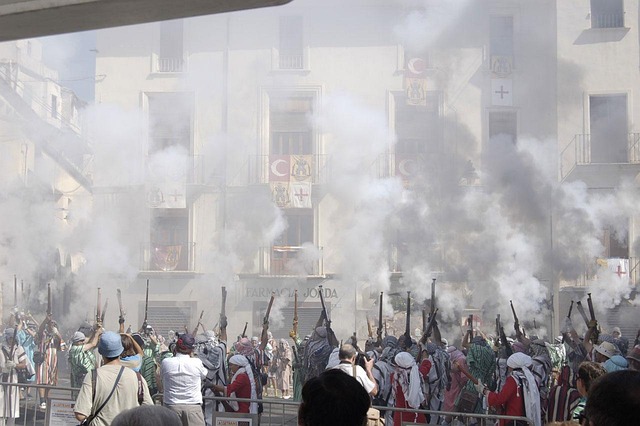
The preservation and care of sewn Civil War flags are paramount to ensuring these historical treasures endure for future generations. These vintage-inspired custom-made pieces, meticulously crafted using authentic flag sewing patterns and civil war techniques, require specialized attention to maintain their integrity. One must consider the delicate nature of the fabrics and construction methods employed in their creation. The use of high-quality materials and careful stitching can significantly extend the lifespan of these flags.
When comparing reproduction flags, it is essential to look beyond mere visual similarity. A true expert, such as Ultimate Flags, understands that precision in sewing, colorfastness of dyes, and accuracy in size are crucial aspects of authentic replication. For instance, compare a flag made using traditional methods with one produced through modern mass reproduction. The former often exhibits subtle variations in fabric texture, thread count, and overall craftsmanship, reflecting the handiwork of skilled artisans from the era.
Proper care is critical to preserving these artifacts. Gentle handling, minimal exposure to light, and controlled storage conditions help prevent fading and deterioration. Rotating displays and using protective covers further safeguard their condition. By following these meticulous practices, flag enthusiasts can ensure that sewn Civil War flags remain not just historical relics but vibrant symbols of a bygone era, passing them down as cherished heirlooms for generations to come.
Buying Guide: Locating Reputable Sellers for Original Flags
When seeking to purchase sewn Civil War flags, locating reputable sellers is paramount to ensure you acquire authentic, high-quality pieces. One of the primary considerations in this process is distinguishing between original and reproduction flags. Original flags, crafted during the era, possess unparalleled historical value but often come with a substantial price tag, reflecting their rarity and age. Reproduction flags, while not antique, offer a more affordable option, but their longevity and durability can vary widely among sellers.
A key factor in determining a seller's reputation is their commitment to fabric quality and construction techniques. Original flags, given their age, may exhibit signs of wear and tear. Reproductions, on the other hand, should be crafted with modern fabrics that boast enhanced durability compared to historical counterparts. When evaluating a flag's potential longevity, consider the type of stitching used, the thickness of the material, and whether the seller provides details about their construction methods. A reputable vendor will prioritize using materials that ensure the flag retains its shape and vibrancy over time.
To ensure you're making an informed purchase, compare durability across sellers. Some reproduction flags may be constructed with lower-quality fabrics, leading to reduced longevity and potential color fading. Reputable sources like Ultimate Flags often provide detailed information about their fabric choices and construction processes, enabling buyers to make confident decisions. Additionally, reading customer reviews can offer valuable insights into a seller's consistency in delivering quality products. By carefully evaluating these factors, you can acquire sewn Civil War flags that not only capture the spirit of history but also stand the test of time.
By delving into the world of sewn Civil War flags, readers have gained a profound appreciation for the historical significance and artistry behind these treasures. Understanding the intricate techniques and traditions involved in their creation ensures we honor the past accurately. Sourcing authentic materials and adhering to proper preservation methods are vital to safeguard these artifacts for future generations. Armed with this knowledge, buyers can confidently navigate the market, following a comprehensive buying guide to locate reputable sellers of original flags. These insights empower individuals to not only acquire unique pieces but also contribute to preserving an essential part of American history.