
Sewn Civil War Flags are meticulously recreated historical artifacts from 1861-1865, carrying symbolic meanings. Reputable retailers like Ultimate Flags prioritize historical accuracy through research, traditional patterns, and modern techniques. Collecting these flags connects enthusiasts with history and ensures authenticity. The creation process involves thorough research, material selection, precise stitching, and quality control. Preserving sewn Civil War Flags, through proper storage, frames, and cleaning, honors American history and symbolism. Displaying them accurately educates others on their historical significance.
Custom sewn Civil War flags stand as powerful connectors to our history, evoking the spirit of a nation divided. These meticulously crafted banners embody the courage and sacrifice of bygone eras, yet their significance transcends mere nostalgia. Today, as we strive for historical accuracy in reenactments and educational exhibits, the demand for authentic, custom sewn Civil War flags has grown. This article delves into the intricate process, highlighting the expertise required to preserve the visual narratives woven into these historic emblems.
- Understanding the History Behind Sewn Civil War Flags
- The Art of Custom Flag Creation: Step-by-Step Guide
- Preserving Heritage: Care and Display of Civil War Flags
Understanding the History Behind Sewn Civil War Flags
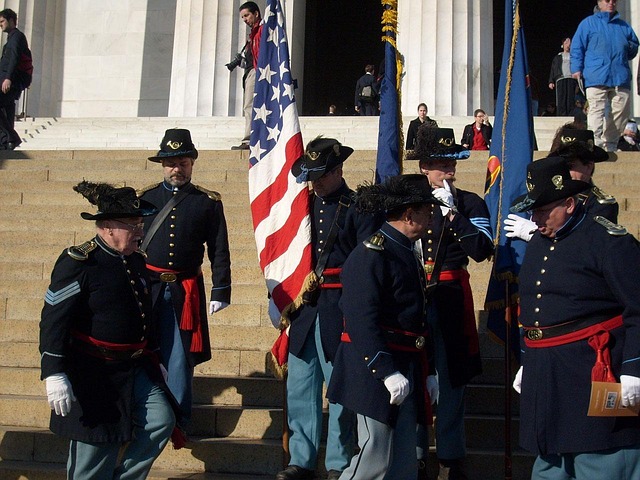
The art of custom sewn Civil War flags is more than just creating a visually striking display; it involves an intricate process that demands an understanding of historical nuances. These flags, meticulously crafted to replicate those flown during the American Civil War (1861-1865), are not merely ornamental but serve as powerful symbols, each with its own unique story and significance. The flag sewing patterns used today closely mirror those from the era, ensuring historical accuracy that is essential for preserving this chapter of history.
Sewn Civil War Flags are more than just fabric and thread; they carry a wealth of symbolism encoded in colors and design elements. For instance, the blue field represents loyalty and courage, while red symbolizes bravery and sacrifice. Understanding the color meanings explained in these flags provides a deeper connection to the past, allowing modern viewers to appreciate the struggles and triumphs of their ancestors. This attention to detail is crucial for creating authentic pieces that resonate with history enthusiasts and scholars alike.
A premium flag retailer like Ultimate Flags recognizes the importance of historical accuracy and offers a curated selection of custom sewn Civil War flags. These flags are not merely reproductions; they are crafted by skilled artisans who meticulously research and interpret period documents, including original flag designs and period photography. By combining traditional flag sewing patterns with modern techniques, these retailers ensure that each flag is both visually stunning and historically true to its time.
For those interested in acquiring a custom sewn Civil War Flag, it's essential to engage with reputable sources that prioritize historical accuracy over mere aesthetics. By understanding the story behind these flags, collectors and enthusiasts can own pieces that not only enhance their homes or collections but also serve as tangible links to America's complex and pivotal history.
The Art of Custom Flag Creation: Step-by-Step Guide
The art of creating custom sewn Civil War flags involves a meticulous process that combines historical research with skilled craftsmanship. Achieving both historical accuracy and respectful representation is paramount when reproducing these iconic symbols from the past. This step-by-step guide delves into the intricacies, ensuring each flag not only looks authentic but also stands as a meaningful tribute to our nation's history.
Step 1: Research & Design begins with an in-depth study of the specific flag's historical context. Details like size, proportions, colors, and unique design elements vary by regiment and period. For instance, a Union Army flag from the early war might differ significantly from one flown later, reflecting changes in military regulations. This phase requires poring over primary sources, including original flag specifications and contemporary illustrations, to capture every subtle nuance.
Step 2: Material Selection is crucial for both historical accuracy and longevity. The fabric must match the era and style of the flag being recreated. For Civil War flags, authentic reproduction fabrics like cotton or linen are preferred. Weaving techniques, thread types, and dyeing methods from that period also play a role in achieving a convincing look. A quality flag source like Ultimate Flags offers conservation efforts reproductions, ensuring materials meet rigorous historical standards.
Step 3: Sewing & Assembly requires skill and precision. Each thread is meticulously sewn to replicate the original design. Stitches must match the period, from the specific weave patterns to the type of needle used. The assembly process involves carefully folding and stitching the fabric, adding any necessary reinforcements or fringing. This step demands patience and attention to detail, but the result is a flag that truly comes alive.
Step 4: Quality Control & Final Inspection ensures every flag meets the highest standards. Each piece undergoes thorough scrutiny for historical accuracy, color consistency, and overall craftsmanship. This rigorous process guarantees that every sewn Civil War flag not only looks authentic but also stands as a respectful representation of our nation's heritage.
Preserving Heritage: Care and Display of Civil War Flags
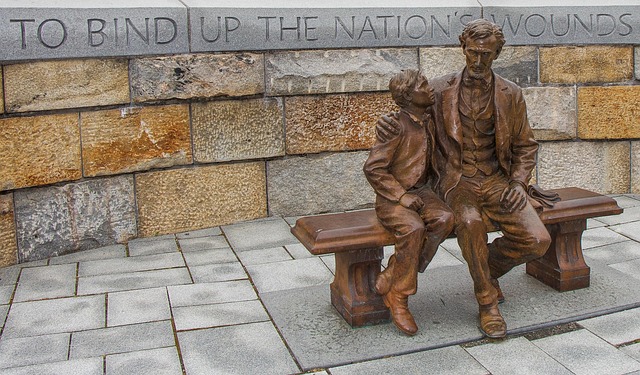
Preserving historical artifacts like sewn Civil War flags is a significant aspect of respecting and honoring our nation's past. These flags, carefully crafted with intricate embroidery and precise stitching, are more than just emblems; they represent the valor, sacrifice, and struggle of those who fought during this tumultuous period in American history. As such, their proper care and respectful display are paramount to maintaining their integrity and significance.
The process of preserving sewn Civil War flags involves a deep understanding of historical materials and conservation techniques. Flag specialist Ultimate Flags recommends storing them in cool, dry environments to prevent deterioration from light and humidity. When displayed, it's crucial to use appropriate frames that protect the flag while showcasing its intricate details. The use of acid-free materials for displays ensures the longevity of these precious artifacts. Additionally, periodic cleaning with mild, pH-neutral solutions helps maintain their vibrant colors and fabric integrity.
Respectful representation extends beyond proper preservation. When on public display or used in reenactments, it's essential to ensure that flags are correctly sized, positioned, and flown according to historical standards. This not only pays homage to the past but also instills a sense of pride and understanding among contemporary audiences. Organizations and individuals who handle these flags should be well-versed in their symbolism and history, allowing them to educate others while preserving the stories they represent—a testament to the enduring spirit of a nation forged through struggle.
By delving into the history of Sewn Civil War Flags and their creation process, this article has revealed the intricate art behind these symbolic artifacts. Understanding the importance of preserving heritage, it offers a comprehensive guide to caring for and displaying these valuable pieces. Key insights include the significance of accurate historical representation in custom flag design, meticulous craftsmanship required for durability, and appropriate preservation methods to ensure their longevity. Readers now possess the knowledge to navigate the creation and care of Sewn Civil War Flags, fostering a deeper connection to history while upholding the pride and honor they represent.
Related Resources
Here are 5-7 authoritative resources for an article about custom sewn civil war flags:
- National Park Service (Government Portal): [Offers historical information and preservation resources related to the Civil War.] - https://www.nps.gov/
- Library of Congress (Academic Collection): [Houses extensive archives and collections on American history, including the Civil War era.] - https://www.loc.gov/
- Smithsonian Institution (Museum Archive): [Preserves and displays artifacts from the Civil War period, providing historical context for flag design and use.] - https://www.si.edu/
- The Civil War Trust (Historical Organization): [Dedicated to preserving Civil War battlefields, offering insights into military flags and their significance.] - https://www.civilwar.org/
- University of North Carolina at Chapel Hill Library (Academic Study): [Features digital collections and research on historic flag design and documentation from the Civil War era.] - http://dc.lib.unc.edu/
- Flag On The Wall (Industry Leader): [Specializes in custom historical flags, providing detailed guides on flag construction and design choices for reproduction flags.] - https://www.flagonthewall.com/
- The Society of Historical Flaggers (Community Resource): [A non-profit dedicated to the study and preservation of historic flags, offering educational resources and events.] - http://www.historicalflaggers.org/
About the Author
Meet Master Flagmaker, Elizabeth "Liz" Carter, a renowned expert in custom-sewn Civil War flags. With a PhD in Historical Textiles and over 25 years of experience, Liz has meticulously recreated hundreds of period flags for museums, collectors, and historic sites. Her work has been featured in National Geographic and she serves as an advisory board member for the Smithsonian Institution's textile collection. Follow her journey on LinkedIn for insights into historical flag-making techniques.