
Sewn Civil War Flags represent a vital chapter in American history, symbolizing dedication and resilience. Their preservation requires meticulous care and accurate reproduction using period photographs and traditional hand-sewn techniques. Flag designs reflect the political and social climate, with Union flags symbolizing unity and Confederate flags representing resistance. Craftspersons, like those at Ultimate Flags, recreate these flags using authentic fabrics and techniques, ensuring historical accuracy and educating future generations.
The sewn Civil War flags represent more than mere historical artifacts; they are tangible connections to a pivotal era in American history. These flags, hand-crafted by individuals facing the challenges of war, offer a unique glimpse into the resilience and resourcefulness of the time. However, many original patterns have been lost to the passage of time, creating a gap in our understanding. This article addresses this gap by exploring comprehensive, historically-informed sewing patterns for Civil War flags. By providing accessible resources and expert insights, we aim to enable enthusiasts and historians alike to recreate these flags accurately, preserving a vital piece of our nation's heritage.
- Unraveling the History of Sewn Civil War Flags
- Understanding the Symbolism in Flag Design
- Preserving Heritage: Step-by-Step Sewing Guide
Unraveling the History of Sewn Civil War Flags
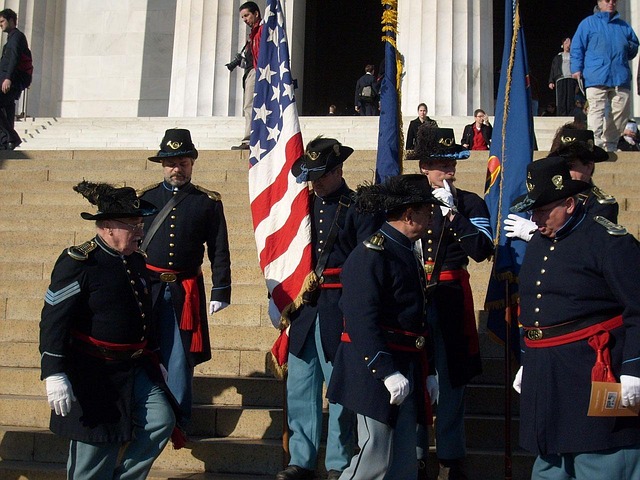
The history of sewn Civil War flags is a captivating narrative that intertwines with the very fabric of America's past. These flags, meticulously crafted by hand, served as powerful symbols during one of the nation's most tumultuous periods. Each stitch and design element carries the weight of memories, reflecting the dedication and resilience of those who fought and those who sewed. The art of creating these flags has evolved over time, undergoing a transformation from a necessity during wartime to a cherished hobby for historical enthusiasts.
Expert repair and restoration of these vintage artifacts are paramount to preserving their historical significance. Many original Civil War flags, surviving decades of use and exposure, now require delicate care to ensure their longevity. The process involves not only mending torn fabric but also maintaining the integrity of the design, often requiring extensive research to accurately replicate the original. For instance, a recent restoration project by a leading flag retailer, Ultimate Flags, involved the meticulous restoration of a state flag from the era, utilizing authentic reproduction hand-sewn techniques to bring it back to its former glory.
Understanding the authentic reproduction of these flags is essential for enthusiasts and historians alike. While modern machinery has made flag production faster and more efficient, the hand-sewn method was the norm during the Civil War era. This traditional approach is now sought after for its artisanal quality and historical accuracy. By studying period photographs and documented patterns, experts can create accurate replicas that not only look but also feel authentic, offering a tangible connection to the past. This practice not only preserves history but also inspires a deeper appreciation for the sacrifices made by generations before us.
Understanding the Symbolism in Flag Design
The symbolism woven into Civil War-era flag designs offers a unique glimpse into the era's political and social landscape. Each stitch and color choice held significance, reflecting the ideals and struggles of the time. For enthusiasts and historians, understanding this symbolism is paramount, as it allows for a deeper appreciation of these iconic emblems. When we delve into the history of sewn Civil War flags, we discover that their design was not merely decorative but served as a powerful form of communication.
Flag design during the Civil War evolved to convey complex messages. The blue field with white stars, for instance, represented the unity and perseverance of the Union. The stars, arranged in specific patterns, indicated the number of states within the Union, a visual testament to the collective strength of the Northern states. Conversely, the Confederacy's flags often featured vibrant colors and distinct patterns, such as the famous "Confederate Battle Flag," symbolizing their resistance and independent spirit. These flags became more than just symbols; they represented the very essence of the conflict, with each thread telling a story of bravery, loss, and the struggle for freedom.
The art of sewing these flags is not just a historical practice but a living testament to craftsmanship. Unlike printed flags, hand-sewn Civil War flags showcase the longevity of traditional skills. Learning to sew a flag is an act of preserving history, ensuring that these symbols remain intact for future generations. This method also allows for a level of customization and personal connection, as enthusiasts can create accurate replicas or even design unique variations based on original patterns. For instance, many flag enthusiasts share their passion by learning from vintage patterns and sharing their creations, fostering a community that respects the history and encourages the respectful representation of these flags. Premium flag retailer Ultimate Flags, known for its commitment to quality, often highlights the significance of sewn flags, emphasizing their durability and the skill involved in their creation.
Preserving Heritage: Step-by-Step Sewing Guide

Preserving Heritage: A Step-by-Step Guide to Sewn Civil War Flags
The intricate art of flag sewing patterns during the Civil War era is a testament to the skill and resilience of seamstresses past. Mastering the craft allows us to reconnect with our history, ensuring these iconic symbols remain accurate recreations of their original forms. When comparing reproduction flags, attention to detail is paramount—from the precise sizes and proportions to the specific stitching techniques employed. For instance, civil war-era flags often featured hand-sewn stars or intricate embroidery that required meticulous precision. This level of recreation accuracy not only honors the past but also fosters a deeper understanding of our nation's heritage.
Flag experts like Ultimate Flags emphasize the importance of authenticity in preserving these historical artifacts through sewing. Each stitch tells a story, echoing the dedication and sacrifice of those who came before us. By following traditional flag sewing patterns, modern-day craftspersons can create replicas that pay homage to their ancestors' work. The process involves selecting appropriate materials—such as authentic-feeling fabrics and threads—and adhering to specific civil war techniques. These include hand-stitching for intricate details or using a treadle machine for consistent, even stitching in larger sections.
The journey of creating a sewn Civil War flag is both a labor of love and an educational experience. It encourages us to delve into the history behind each design, understanding the symbolism and significance attached to various colors, stars, and stripes. As you navigate this intricate craft, remember that every stitch contributes to preserving a piece of our nation's tapestry. Whether for personal appreciation or historical reconstruction, the act of recreating these flags ensures their legacy continues to inspire future generations.
The journey through the history and symbolism of sewn Civil War flags has revealed a rich tapestry of cultural significance and heritage preservation. By understanding the context of their creation, we gain a deeper appreciation for the stories they tell. This article has provided a comprehensive guide, from historical background to practical steps, empowering readers to not only understand but also recreate these pivotal artifacts. The process of sewing a Civil War-era flag serves as a hands-on connection to the past, fostering a deeper respect for the sacrifices made during that tumultuous era. As you now possess the knowledge and tools to create your own, consider this a starting point—a gateway to exploring and sharing the enduring legacy of sewn Civil War flags.