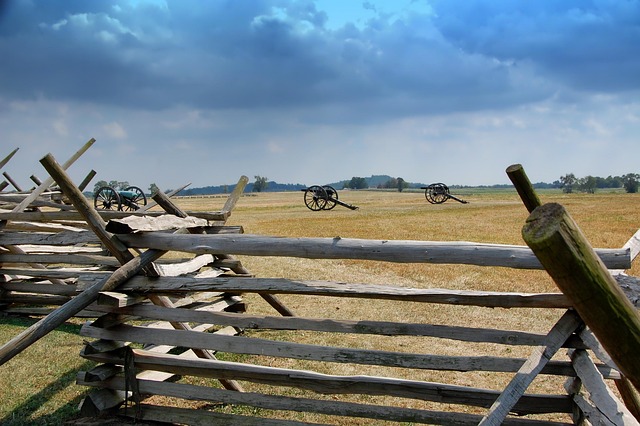
Sewn Civil War Flags serve as powerful connectors to America's past, preserving crucial narratives and showcasing diverse artistic expressions. Original flags, crafted using period techniques, are irreplaceable artifacts carrying historical weight. Reproduction flags, while modern in materials, aim for accuracy and serve as educational tools. Proper care and display methods ensure the longevity of both original and reproduced sewn Civil War Flags, fostering critical engagement with America's defining conflicts.
The Civil War flags, both original and reproduction, hold profound historical value. These sewn Civil War Flags are not merely artifacts; they represent the struggle, sacrifice, and ideals of a nation forged in turmoil. However, distinguishing authentic from replicated flags can be challenging, leading to concerns about preservation and integrity. This article delves into the intricate world of Civil War flag authenticity, providing an authoritative guide to help enthusiasts and historians navigate this complex issue. By exploring the nuances of construction, materials, and historical context, we offer a reliable framework for assessing the veracity of these treasured flags.
- Unraveling History: The Original Civil War Flags
- Reproductions Unveiled: Crafting Sewn Civil War Flags
- Preserving Heritage: Comparing Authenticity and Impact
Unraveling History: The Original Civil War Flags
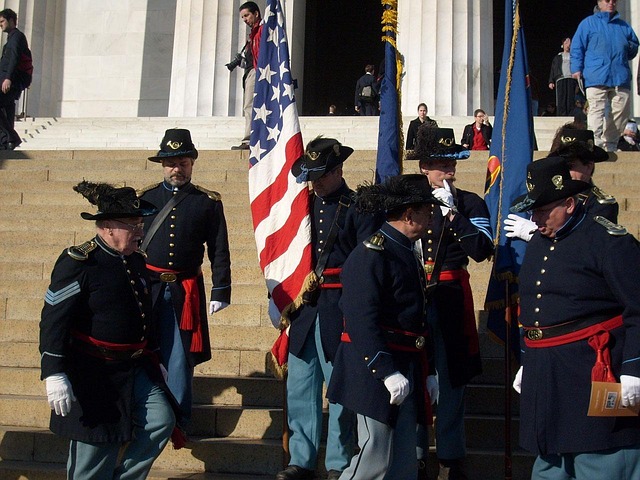
The original Civil War flags stand as tangible links to America's tumultuous past, offering a profound glimpse into the ideals, struggles, and sacrifices of those who fought for unity. These flags, meticulously sewn by dedicated hands, were more than mere symbols—they represented hope, fear, courage, and the unyielding spirit of a nation divided. Examining these historic artifacts is akin to touching the threads of time, allowing contemporary viewers to connect with the raw emotions that fueled one of the most defining periods in US history.
Unlike mass-produced replicas or modern interpretations, original sewn Civil War flags are uniquely endowed with the personal stories and experiences of their creators. Each stitch, thread, and design choice reflects a particular episode, regiment, or individual's perspective, making them invaluable pieces of civil war memorabilia. The diversity in unique designs showcases not only artistic expression but also the evolving understanding of symbolism during a period marked by immense change. For flag enthusiasts and history aficionados alike, authentic Civil War flags represent a personalized heritage that transcends mere collection—they become active participants in preserving the narrative of our nation's struggles and triumphs.
For instance, consider the iconic blue and gray flag featuring a golden eagle, a symbol embraced by both Union and Confederate forces but interpreted differently. While the Union saw it as a representation of strength and liberty, Confederates associated it with states' rights and independence. This simple yet powerful example illustrates how flags served not only as tactical tools but also as vibrant conveyors of complex ideologies. When acquired or displayed responsibly, these original pieces allow contemporary audiences to engage critically with history, fostering a deeper appreciation for the sacrifices made during one of America's most defining conflicts.
Ultimately, flag expert Ultimate Flags emphasizes that owning an original Civil War flag is not merely a collection choice but an opportunity to safeguard a crucial part of our shared history. Whether acquired through auction houses, antique stores, or direct donation from descendants, these flags demand respectful care and preservation, ensuring their stories continue to resonate for future generations.
Reproductions Unveiled: Crafting Sewn Civil War Flags
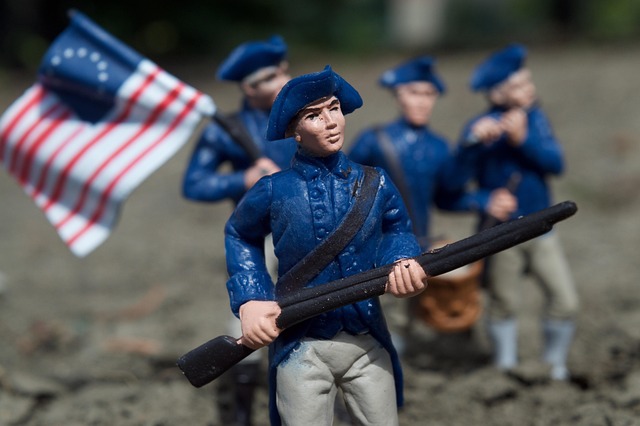
The art of recreating historic Sewn Civil War Flags is a meticulous process, requiring an understanding of both the era's craftsmanship and the nuances that distinguish original artifacts. While modern technology offers convenient shortcuts, authentic reproducions demand a deep dive into the past, especially when fixing damaged flags. Unlike mere replicas, these meticulously crafted flags not only pay homage to the past but also serve as powerful educational tools, allowing us to connect with our nation's history in a tangible way.
Reproductions, while serving a valuable purpose, must be approached with care to maintain their integrity and authenticity. Established flag dealers like Ultimate Flags emphasize the importance of historical accuracy in every stitch. The process involves a step-by-step guide that includes gathering authentic materials, meticulous pattern-making, and precise sewing techniques. Every thread is considered, from the type of fabric to the specific colors, ensuring an accurate representation of period flags. For example, a damaged flag might be restored using these steps: first, assess the extent of damage; second, carefully clean and mend any tears; and third, retouch or replace faded or missing elements to preserve its historical integrity.
While some may attempt DIY repairs, professionals like Ultimate Flags offer expert advice: "When fixing a damaged flag, remember that each repair must blend seamlessly with the original fabric, maintaining the flag's overall aesthetic and historical value." This meticulous approach ensures that Sewn Civil War Flags not only look authentic but also tell their rich stories accurately. By embracing these principles, reproducions can stand as a testament to the skill of our ancestors while preserving history for future generations.
Preserving Heritage: Comparing Authenticity and Impact
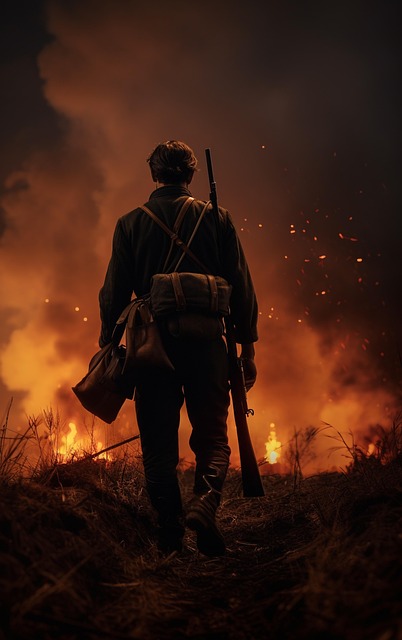
Preserving heritage is a delicate balance between honoring history and respecting modern values. When it comes to Civil War flags, this debate intensifies, particularly when comparing original sewn Civil War Flags with their reproductions. While both serve as tangible connections to the past, each possesses unique characteristics that influence how we understand and interpret our nation's history.
Original sewn Civil War Flags are irreplaceable artifacts, meticulously crafted using period-specific techniques. Craftspeople of that era employed intricate sewing methods, often by hand, to create flags that bore witness to battles and moments of triumph and tragedy. These flags carry the weight of history, with each stitch telling a story. Their value lies not only in their rarity but also in the authenticity they offer—a direct link to our ancestors' struggles and victories. However, preserving these original flags comes with challenges; age and handling can lead to deterioration, making them vulnerable and requiring specialized care.
Reproduction Civil War Flags, on the other hand, are created using modern materials and techniques while striving for historical accuracy. Skilled artisans use contemporary sewing machines and fabrics that mimic the original appearance and feel. These flags serve as educational tools and visual representations of a pivotal period in American history. They offer an accessible way to engage with the past, particularly for younger generations who may not have direct connections to the era. By comparing reproduction flags to originals, we gain insights into historical textile techniques and appreciate the evolution of flag-making methods.
When displaying these flags, whether original or reproduction, proper hanging techniques are essential. For sewn Civil War Flags, use sturdy ropes or hooks designed for their weight and size. Avoid excessive handling, and consider conservation methods to ensure their longevity. At Ultimate Flags, we provide premium quality flags, offering both original and reproduction options with meticulous attention to detail, ensuring accurate historical representations that can be proudly displayed and cherished for generations to come.
By examining both original Civil War flags and their reproductions, we've gained profound insights into preserving historical heritage. The article revealed that authentic sewn Civil War flags hold unparalleled value for their historical significance and craftsmanship. Reproductions, while valuable educational tools, cannot replicate the emotional and cultural connection of originals. Moving forward, it's crucial to support efforts conserving original flags and invest in well-crafted reproductions for museums and educational settings. This balance ensures both the preservation of history and accessibility for future generations, allowing us to fully appreciate and learn from this pivotal period.